

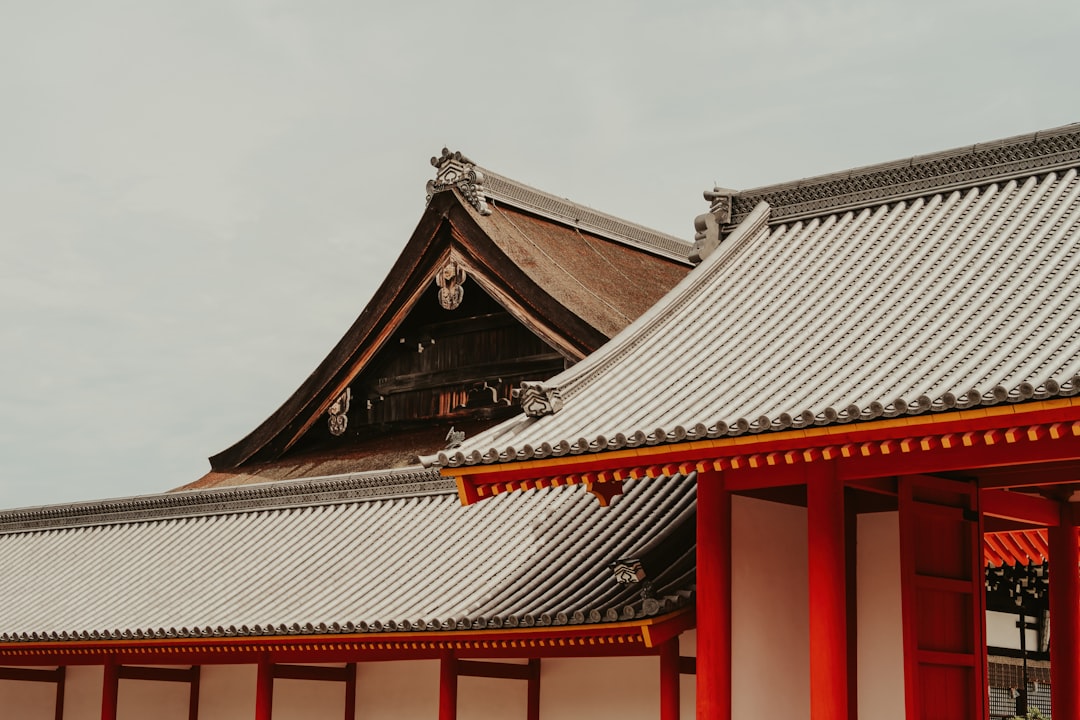
In the realm of Japanese history, few figures have captured the imagination of the world like the Shogun. For centuries, these powerful military dictators ruled Japan with an iron fist, shaping the country’s culture, politics, and society. From the mighty Minamoto no Yoritomo to the infamous Tokugawa Ieyasu, the Shogun’s legacy continues to fascinate and inspire us today. But who were these enigmatic leaders, and what was their impact on Japanese history? In this comprehensive guide, we’ll delve into the world of the Shogun, exploring their origins, rise to power, and lasting influence on Japan.
Introduction to the Shogun: Origins and Evolution
The term “Shogun” is derived from the Japanese words “sho,” meaning “general,” and “gun,” meaning “army.” The Shogun’s origins date back to the 12th century, when the Emperor of Japan appointed a military leader to govern the country on his behalf. Over time, the Shogun’s power grew, and they became the de facto rulers of Japan, with the Emperor serving as a figurehead. The Shogun’s role was not only to maintain law and order but also to defend the country against external threats and manage the economy.
During the Kamakura period (1185-1333), the Shogun’s power reached new heights, with the establishment of the Kamakura shogunate. This marked the beginning of a new era in Japanese history, where the Shogun would dominate the country’s politics for centuries to come. The Shogun’s influence extended beyond politics, shaping Japanese culture, art, and literature. The traditional Japanese tea ceremony, for example, was heavily influenced by the Shogun’s love of simplicity and elegance.
The Golden Age of the Shogun: Tokugawa Ieyasu and the Edo Period
One of the most significant periods in Japanese history is the Edo period (1603-1868), which saw the rise of the Tokugawa shogunate. Tokugawa Ieyasu, the founder of the Tokugawa dynasty, is widely regarded as one of the greatest Shogun in Japanese history. Ieyasu’s vision for Japan was one of peace and prosperity, and he implemented a range of policies to achieve this goal. He established a rigid social hierarchy, with the Shogun at the top, followed by the samurai class, farmers, artisans, and merchants.
The Edo period was marked by a period of relative peace and stability, known as the “Pax Tokugawa.” During this time, Japan experienced significant economic growth, with the development of a thriving merchant class and the expansion of international trade. The Shogun’s capital, Edo (modern-day Tokyo), became one of the largest cities in the world, with a population of over 1 million people. The city’s vibrant culture, including its theaters, restaurants, and pleasure quarters, was a testament to the Shogun’s love of entertainment and luxury.
The Decline of the Shogun: Modernization and the Meiji Restoration
The 19th century saw the decline of the Shogun’s power, as Japan faced increasing pressure from Western countries to modernize and open up to the world. The arrival of American Commodore Matthew Perry in 1853 marked the beginning of the end of the Shogun’s rule. The Tokugawa shogunate was forced to sign the Treaty of Kanagawa, which opened up Japan to American trade and commerce.
The Meiji Restoration of 1868 marked the final nail in the coffin for the Shogun. The new Meiji government, led by Emperor Meiji, was determined to modernize Japan and bring an end to the Shogun’s feudal system. The Shogun’s powers were abolished, and a new constitution was established, based on Western models. The Meiji period saw significant changes in Japanese society, including the abolition of the samurai class and the introduction of a modern education system.
Legacy of the Shogun: Cultural and Historical Impact
The Shogun’s legacy extends far beyond their political influence. They played a significant role in shaping Japanese culture, from the traditional tea ceremony to the development of Japanese art and literature. The Shogun’s love of simplicity and elegance can be seen in the traditional Japanese garden, with its carefully raked gravel and meticulously pruned trees.
The Shogun’s impact on Japanese history is also evident in the country’s modern-day politics and society. The concept of “bushido,” or the way of the warrior, which emphasized courage, loyalty, and discipline, continues to influence Japanese values and behavior. The Shogun’s emphasis on education and self-improvement also laid the foundations for Japan’s modern-day education system, which is renowned for its rigor and excellence.
Conclusion: Key Takeaways and Final Thoughts
In conclusion, the Shogun’s legacy is a complex and fascinating one, spanning centuries of Japanese history. From their origins as military dictators to their rise as powerful leaders, the Shogun played a significant role in shaping Japan’s culture, politics, and society. As we reflect on the Shogun’s impact, we can learn valuable lessons about leadership, power, and the importance of cultural heritage.
The key takeaways from this comprehensive guide to the Shogun are:
- The Shogun’s origins date back to the 12th century, with the appointment of a military leader to govern Japan on behalf of the Emperor.
- The Tokugawa period saw the rise of the Shogun as a powerful and influential leader, with a significant impact on Japanese culture and society.
- The Meiji Restoration marked the end of the Shogun’s rule, as Japan modernized and opened up to the world.
- The Shogun’s legacy extends far beyond their political influence, with a significant impact on Japanese culture, art, and literature.
As we look to the future, we can learn from the Shogun’s example, embracing the values of discipline, loyalty, and self-improvement that defined their rule. By understanding the Shogun’s legacy, we can gain a deeper appreciation for Japanese history and culture, and the significant contributions that this fascinating country has made to the world.