In the realm of Japanese history, few figures have captivated the imagination of the world like the Shogun. These powerful leaders, who ruled Japan from the 12th to the 19th century, were the epitome of power, wisdom, and martial prowess. But who were the Shogun, and what made them so influential in shaping the course of Japanese history? In this comprehensive guide, we will delve into the world of the Shogun, exploring their origins, rise to power, and lasting legacy. Whether you’re a history buff, a martial arts enthusiast, or simply curious about the fascinating world of Japan, this article is for you.
Introduction to the Shogun: Origins and Evolution
The term “Shogun” is derived from the Japanese words “sho,” meaning “general,” and “gun,” meaning “army.” The Shogun were, in essence, the military dictators of Japan, who ruled the country from the Kamakura period (1185-1333) to the Meiji Restoration (1868). The first Shogun, Minamoto no Yoritomo, was appointed by the Emperor in 1192, marking the beginning of a new era in Japanese history. Over time, the Shogun evolved from mere military leaders to become the de facto rulers of Japan, with the Emperor serving as a symbolic figurehead.
The Shogun were responsible for maintaining law and order, collecting taxes, and defending the country against external threats. They were also patrons of the arts, supporting the development of Japanese culture, including literature, poetry, and architecture. The Shogun’s influence extended beyond Japan’s borders, with many of them engaging in diplomatic relations with neighboring countries, including China and Korea. As we will explore in this article, the Shogun played a crucial role in shaping Japan’s history, from the medieval period to the modern era.
The Golden Age of the Shogun: Tokugawa Ieyasu and the Edo Period
One of the most famous Shogun in Japanese history is Tokugawa Ieyasu, who ruled from 1603 to 1605. Ieyasu was a brilliant military strategist and politician, who unified Japan after a period of civil war and established the Tokugawa shogunate, which would rule the country for the next 250 years. During this period, known as the Edo period, Japan experienced a golden age of peace, prosperity, and cultural growth.
The Tokugawa shogunate was characterized by a rigid social hierarchy, with the Shogun at the top, followed by the daimyos (feudal lords), the samurai (warriors), and the merchants and peasants. The Shogun maintained control through a system of laws, known as the “bakuhan taisei,” which regulated every aspect of Japanese life, from agriculture to trade. The Tokugawa shogunate also isolated Japan from the rest of the world, a period known as “sakoku,” which lasted from 1633 to 1853.
The Decline and Fall of the Shogun: Modernization and the Meiji Restoration
The 19th century saw the decline of the Shogun and the eventual collapse of the Tokugawa shogunate. The arrival of American Commodore Matthew Perry in 1853, who forced Japan to open up to the world, marked the beginning of the end of the Shogun’s rule. The Meiji Restoration of 1868, led by the young Emperor Meiji, abolished the Shogun and restored imperial rule, marking the end of feudalism and the beginning of modern Japan.
The Meiji period saw the rapid modernization of Japan, with the introduction of Western technology, education, and politics. The country underwent a transformation, from a feudal society to a modern nation-state, with a constitutional monarchy and a parliamentary system. The legacy of the Shogun, however, continued to shape Japanese culture and society, with many of their traditions, such as bushido (the way of the warrior), continuing to influence Japanese thought and behavior.
The Cultural Legacy of the Shogun: Art, Literature, and Martial Arts
The Shogun had a profound impact on Japanese culture, patronizing the arts and supporting the development of literature, poetry, and architecture. The Edo period saw the rise of ukiyo-e (woodblock printing), which produced some of the most iconic images in Japanese art, including Hokusai’s “The Great Wave off Kanagawa.” Japanese literature also flourished during this period, with the works of authors such as Matsuo Basho and Ihara Saikaku.
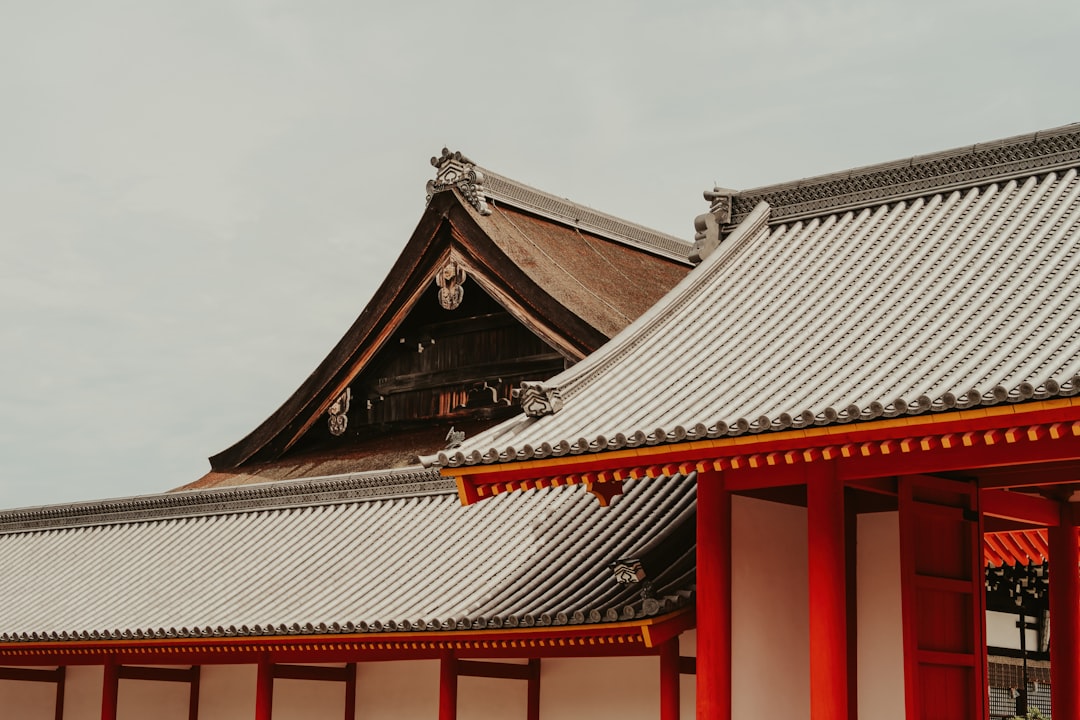
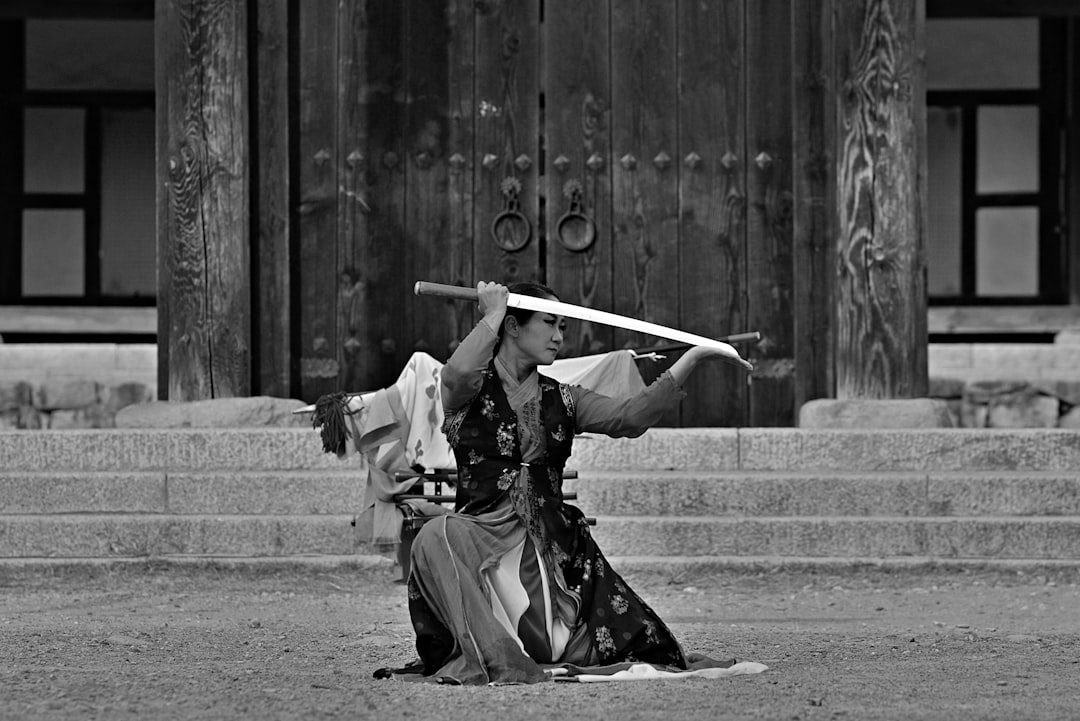
The Shogun were also patrons of martial arts, with many of them practicing bushido, which emphasized courage, loyalty, and self-discipline. The development of Japanese martial arts, such as karate, judo, and kendo, owes a debt to the Shogun, who promoted these disciplines as a way of life. The influence of the Shogun can also be seen in Japanese architecture, with many of the country’s most famous landmarks, including the Tokyo Imperial Palace and the Osaka Castle, built during the Edo period.
Conclusion: The Lasting Legacy of the Shogun
In conclusion, the Shogun were a fascinating and complex group of leaders, who shaped the course of Japanese history and left a lasting legacy in the fields of politics, culture, and martial arts. From their origins as military dictators to their evolution as patrons of the arts, the Shogun played a crucial role in shaping Japan’s unique identity. As we reflect on the history of the Shogun, we are reminded of the importance of leadership, loyalty, and self-discipline, values that continue to inspire and motivate people around the world.
The study of the Shogun offers valuable insights into the complexities of Japanese history and culture, and provides a unique perspective on the country’s development from a feudal society to a modern nation-state. Whether you’re interested in history, martial arts, or Japanese culture, the Shogun are a fascinating topic that continues to captivate audiences around the world. As we look to the future, we can learn from the examples of the Shogun, who demonstrated the importance of adaptability, resilience, and strategic thinking in the face of change and uncertainty.