Imagine yourself transported to feudal Japan, a land of majestic beauty, where samurai warriors roamed the streets, and the sound of katanas clashing echoed through the valleys. At the heart of this fascinating world stood the Shogun, a powerful and enigmatic figure who ruled Japan for over 700 years. In this blog post, we’ll delve into the captivating history of the Shogun, exploring their rise to power, their impact on Japanese culture, and the legacy they left behind.
Introduction to the Shogun
The term “Shogun” is derived from the Japanese words “sho,” meaning “general,” and “gun,” meaning “army.” The Shogun was a military dictator who held absolute power over Japan, with the Emperor serving as a figurehead. The Shogun’s primary responsibility was to maintain law and order, protect the country from external threats, and oversee the administration of the government. Over time, the Shogun’s role evolved, and they became the de facto rulers of Japan, with the Emperor’s power limited to ceremonial duties.
The first Shogun, Minamoto no Yoritomo, was appointed in 1192, marking the beginning of the Kamakura period. This era saw the rise of the warrior class, with the Shogun at its helm. The Shogun’s power was further consolidated during the Edo period, which lasted from 1603 to 1868. During this time, the Tokugawa shogunate ruled Japan, imposing a rigid social hierarchy, isolating the country from the rest of the world, and promoting a unique culture that blended traditional and modern elements.
The Role of the Shogun in Japanese History
The Shogun played a crucial role in shaping Japanese history, culture, and society. They were responsible for:
- Maintaining law and order: The Shogun was responsible for maintaining peace and stability throughout the country, using their military power to suppress rebellions and punish criminals.
- Foreign policy: The Shogun handled foreign relations, negotiating trade agreements, and defending Japan against external threats.
- Cultural development: The Shogun patronized the arts, supporting the development of literature, music, and visual arts.
- Economic growth: The Shogun oversaw the economy, regulating trade, and managing the country’s resources.
- Tokugawa Ieyasu: The founder of the Tokugawa shogunate, who ruled Japan from 1603 to 1605 and established the city of Edo (modern-day Tokyo) as the country’s capital.
- Tokugawa Hidetada: The second Tokugawa Shogun, who ruled from 1605 to 1623 and expanded Japan’s military power and diplomatic relations.
- Tokugawa Yoshimune: The eighth Tokugawa Shogun, who ruled from 1716 to 1745 and implemented significant reforms, including the creation of a new calendar and the promotion of agriculture.
- Bushido: The code of conduct followed by samurai warriors, which emphasized loyalty, honor, and discipline.
- Zen Buddhism: The Shogun’s patronage of Zen Buddhism helped spread this unique form of Buddhism throughout Japan, influencing art, literature, and philosophy.
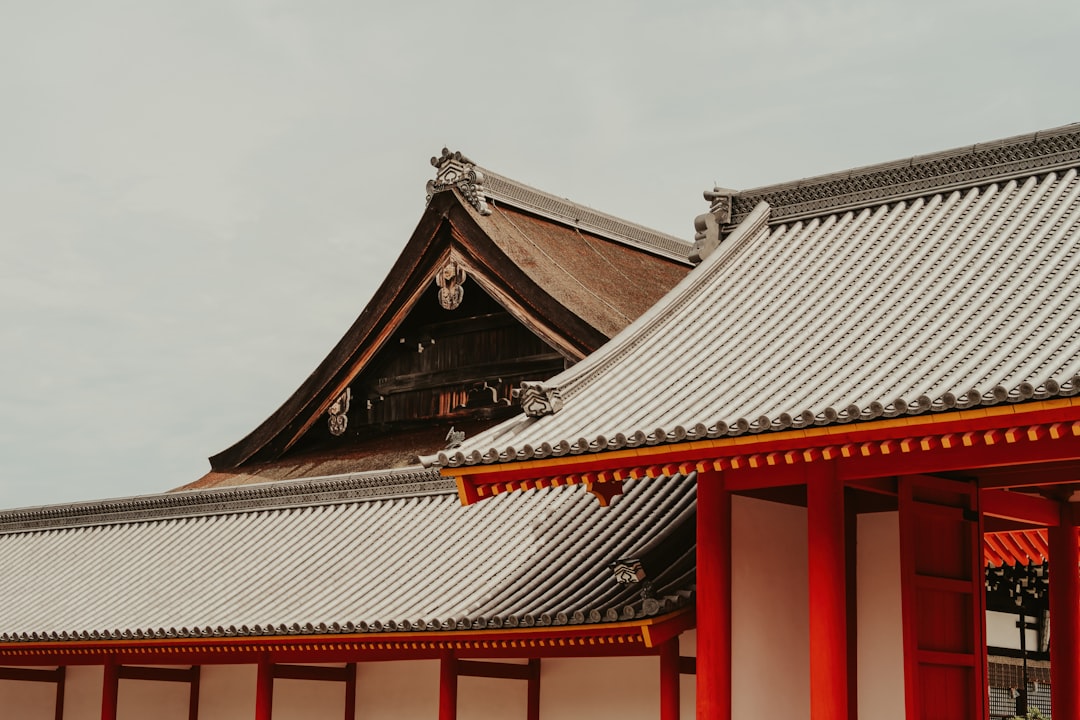
- Japanese architecture: The Shogun’s love of grand architecture led to the construction of magnificent castles, temples, and gardens, which continue to inspire wonder and awe today.
- Martial arts: The Shogun’s emphasis on martial arts, such as karate and judo, has led to the development of unique and highly respected disciplines.
- The Shogun was a powerful and influential figure in Japanese history, ruling the country for over 700 years.
- The Shogun’s role evolved over time, from a military dictator to a cultural and economic leader.
- The legacy of the Shogun continues to shape Japanese culture and society, from bushido to Zen Buddhism, and from martial arts to architecture.
- The Meiji Restoration marked the end of the Shogun’s rule, but their impact on Japanese history and culture remains unparalleled.
Some notable Shoguns who left a lasting impact on Japanese history include:
The Decline of the Shogun and the Meiji Restoration
The Shogun’s power began to decline in the mid-19th century, as Japan faced increasing pressure from Western powers to open up its borders and modernize its economy. The arrival of American Commodore Matthew Perry in 1853 marked the beginning of the end of the Shogun’s rule. The Meiji Restoration of 1868 saw the Emperor Meiji regain power, and the Shogun’s role was abolished.
The Meiji period, which lasted from 1868 to 1912, was a time of rapid modernization and transformation in Japan. The country adopted a new constitution, established a modern education system, and promoted industrialization. The legacy of the Shogun, however, continued to shape Japanese culture and society, with many of the traditional values and customs established during the Edo period still influencing modern Japan.
The Legacy of the Shogun
The Shogun’s impact on Japanese culture and society is still evident today. Some of the key areas where their legacy can be seen include:
In conclusion, the Shogun’s story is a fascinating and complex one, full of intrigue, politics, and drama. As we reflect on their legacy, we can gain valuable insights into the evolution of Japanese culture, society, and politics. Whether you’re a history buff, a martial arts enthusiast, or simply someone interested in exploring the mysteries of feudal Japan, the Shogun’s tale has something to offer.
Key takeaways from this blog post include:
As we bid farewell to the Shogun, we’re reminded of the enduring power of history to inspire, educate, and captivate us. Whether you’re a seasoned Japanophile or just starting to explore the wonders of this enigmatic country, the Shogun’s story is sure to leave you in awe of the majesty and beauty of feudal Japan.