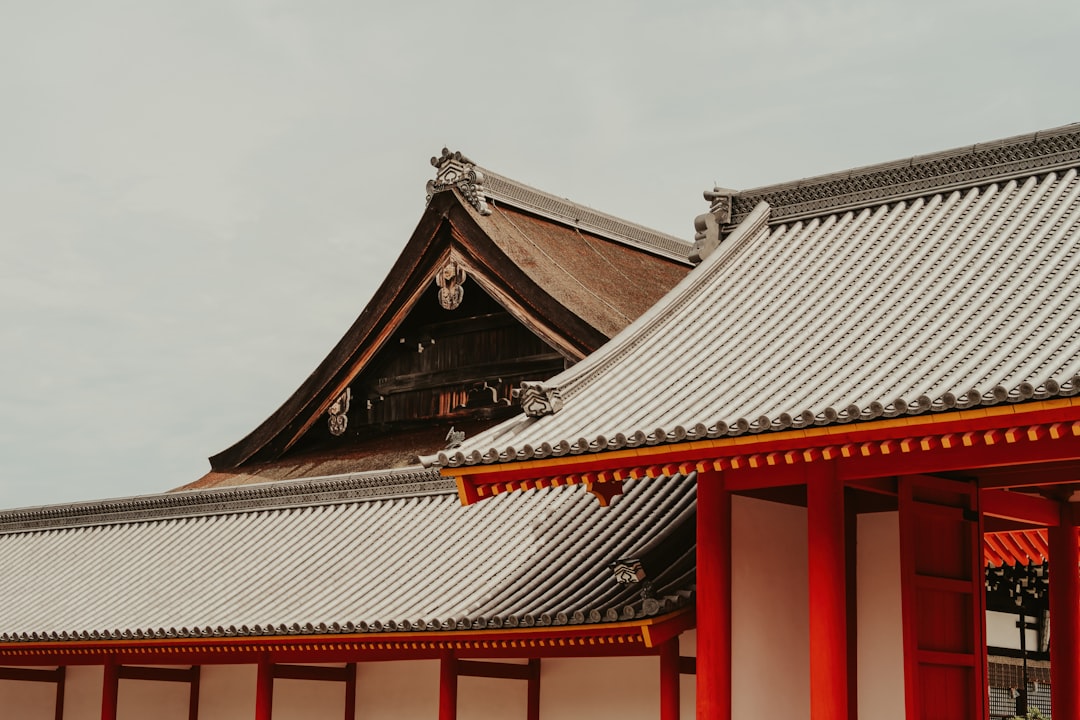
Imagine a world where one man holds the reins of power, dictating the fate of a nation with an iron fist. Welcome to feudal Japan, where the Shogun, a title that translates to “general” or “military dictator,” ruled with absolute authority. For over 700 years, the Shogun played a pivotal role in shaping Japan’s history, culture, and politics. In this blog post, we’ll delve into the fascinating world of Shogun, exploring their origins, rise to power, and lasting impact on Japanese society.
Introduction to the Shogun: Origins and History
The concept of Shogun dates back to the 12th century, when the Emperor of Japan, tired of the constant struggles for power, appointed a powerful military leader to govern the country on his behalf. The first Shogun, Minamoto no Yoritomo, established the Kamakura Shogunate, which marked the beginning of a new era in Japanese history. Over the centuries, the Shogun’s power grew, and they became the de facto rulers of Japan, with the Emperor serving as a figurehead. The Shogun’s authority was based on their military prowess, strategic alliances, and ability to maintain control over the samurai class, the warrior elite who served as their loyal vassals.
The Shogun’s role was not only limited to military affairs but also extended to administrative, judicial, and economic matters. They were responsible for collecting taxes, maintaining law and order, and promoting trade and commerce. The Shogun’s court, known as the “Bakufu,” was the center of power, where officials, advisors, and diplomats would gather to discuss and implement policies. The Shogun’s influence was so profound that it shaped the very fabric of Japanese society, from the arts and literature to the economy and politics.
The Rise of the Shogun: Key Figures and Events
Several notable Shogun played a significant role in shaping Japan’s history. One of the most famous Shogun was Tokugawa Ieyasu, who established the Tokugawa Shogunate in 1603. This period, known as the Edo period, lasted for over 250 years and was marked by relative peace and stability. Tokugawa Ieyasu’s legacy was built on his military genius, strategic alliances, and ability to create a rigid social hierarchy, which maintained the Shogun’s power and control.
Another notable Shogun was Ashikaga Takauji, who founded the Ashikaga Shogunate in 1336. During his reign, the Shogun’s power was challenged by the Emperor and the samurai class, leading to a period of civil war and instability. The Ashikaga Shogunate was marked by a decline in the Shogun’s authority, which ultimately led to the rise of the Tokugawa Shogunate.
The Shogun’s rise to power was also influenced by key events, such as the Mongol invasions of Japan in the 13th century. The Shogun’s ability to repel these invasions and maintain control over the country solidified their position as the dominant force in Japanese politics. The Shogun’s power was also reinforced by the development of a robust administrative system, which enabled them to collect taxes, maintain law and order, and promote economic growth.
The Shogun’s Impact on Japanese Society: Culture, Economy, and Politics
The Shogun’s influence on Japanese society was profound and far-reaching. They played a significant role in shaping the country’s culture, economy, and politics. The Shogun’s patronage of the arts, literature, and architecture led to the development of unique and distinctive styles, such as the traditional Japanese garden and the ukiyo-e woodblock prints.
The Shogun’s economic policies, such as the development of a robust trade network and the promotion of agriculture, helped to stimulate economic growth and stability. The Shogun’s control over the samurai class and the maintenance of a rigid social hierarchy also helped to maintain law and order, which was essential for economic development.
The Shogun’s impact on Japanese politics was also significant. They played a crucial role in shaping the country’s political institutions, such as the development of a robust administrative system and the creation of a powerful and centralized government. The Shogun’s authority was also reinforced by the development of a complex system of laws and regulations, which helped to maintain control over the population.
The Decline of the Shogun: Modernization and the Meiji Restoration
The Shogun’s power began to decline in the mid-19th century, when Japan was forced to open up to the Western world. The arrival of American Commodore Matthew Perry’s “Black Ships” in 1853 marked the beginning of a new era in Japanese history. The Shogun’s inability to resist Western pressure and their failure to modernize the country led to a decline in their authority.
The Meiji Restoration of 1868 marked the end of the Shogun’s rule and the beginning of a new era in Japanese history. The Meiji Emperor, who had been a figurehead for centuries, was restored to power, and a new constitutional monarchy was established. The Shogun’s legacy, however, continued to shape Japanese society, politics, and culture.
Conclusion: Key Takeaways and Legacy of the Shogun
In conclusion, the Shogun played a significant role in shaping Japan’s history, culture, and politics. Their legacy continues to influence Japanese society, from the arts and literature to the economy and politics. The Shogun’s rise to power, their impact on Japanese society, and their decline are all fascinating topics that offer valuable insights into the complexities of Japanese history.
Key takeaways from this blog post include:
- The Shogun’s origins date back to the 12th century, when they were appointed by the Emperor to govern Japan.
- The Shogun’s power grew over the centuries, and they became the de facto rulers of Japan.
- The Shogun’s influence on Japanese society was profound, shaping the country’s culture, economy, and politics.
- The Shogun’s decline began in the mid-19th century, when Japan was forced to open up to the Western world.
- The Meiji Restoration of 1868 marked the end of the Shogun’s rule and the beginning of a new era in Japanese history.
The Shogun’s legacy continues to fascinate and inspire people around the world. Their story is a testament to the power of leadership, strategy, and adaptability. As we reflect on the Shogun’s impact on Japanese history, we are reminded of the importance of understanding the complexities of the past and their relevance to the present. Whether you’re a history buff, a student of Japanese culture, or simply someone interested in learning more about this fascinating topic, the Shogun’s story is sure to captivate and inspire.