In the realm of Japanese history, few figures have left as lasting an impact as the Shogun. These powerful military dictators ruled Japan with an iron fist for over 700 years, shaping the country’s politics, culture, and society in profound ways. But who were these enigmatic leaders, and what secrets can we uncover about their lives and reigns? In this comprehensive guide, we’ll delve into the world of the Shogun, exploring their history, significance, and legacy, and uncovering the fascinating stories behind these legendary figures.
Introduction to the Shogun: A Brief History
The term “Shogun” refers to the military dictators who ruled Japan from the 12th to the 19th centuries. The first Shogun, Minamoto no Yoritomo, established the Kamakura shogunate in 1192, marking the beginning of a new era in Japanese history. Over the centuries, the Shogun played a crucial role in shaping Japan’s politics, economy, and culture, often serving as the de facto rulers of the country. The Shogun were responsible for maintaining law and order, collecting taxes, and overseeing the country’s foreign policy, making them the most powerful men in Japan.
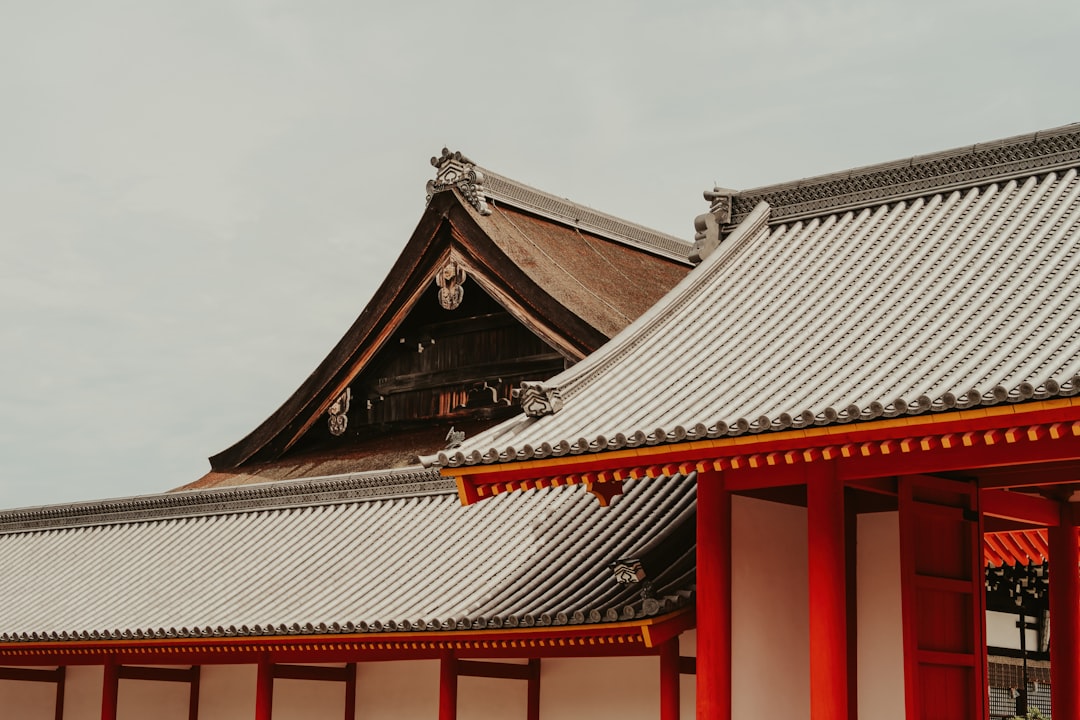
The Shogun were also patrons of the arts, supporting the development of Japanese literature, poetry, and architecture. Many famous Japanese landmarks, such as the Kiyomizu-dera temple and the Fushimi Inari shrine, were built during the Shogun era. The Shogun also played a significant role in the development of Japanese cuisine, with many traditional dishes, such as sushi and tempura, emerging during this period.
The Golden Age of the Shogun: The Edo Period
The Edo period, which spanned from 1603 to 1868, is often referred to as the “Golden Age” of the Shogun. During this time, the Tokugawa shogunate, established by Tokugawa Ieyasu, ruled Japan with a firm hand, imposing strict social hierarchy and rigid laws. The Edo period was marked by a period of relative peace and stability, which allowed for significant cultural and economic growth. The city of Edo (modern-day Tokyo) flourished, becoming one of the largest cities in the world, with a population of over 1 million people.
The Edo period was also a time of great cultural achievement, with the development of ukiyo-e woodblock prints, kabuki theater, and Japanese literature. The works of famous authors, such as Matsuo Bashō and Ihara Saikaku, are still studied and admired today. The Edo period was also a time of significant economic growth, with the development of a thriving merchant class and the establishment of trade relationships with other countries.
The Legacy of the Shogun: Impact on Modern Japan
The legacy of the Shogun can still be seen in modern Japan, from the country’s politics and economy to its culture and society. The Shogun’s emphasis on discipline, hard work, and loyalty has had a lasting impact on Japanese values and social norms. The concept of “bushido,” or the way of the warrior, which emerged during the Shogun era, continues to influence Japanese business and social etiquette.
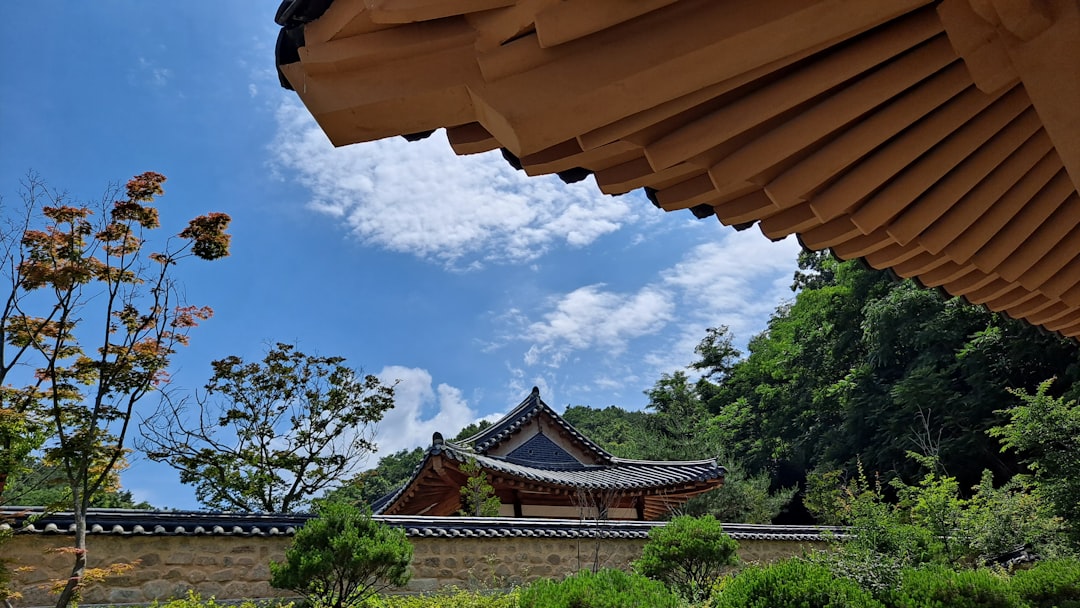
The Shogun’s patronage of the arts has also had a lasting impact on Japanese culture, with many traditional festivals and celebrations still taking place today. The Cherry Blossom Festival, for example, which originated during the Shogun era, is still one of Japan’s most popular and iconic events. The Shogun’s legacy can also be seen in Japan’s modern architecture, with many traditional buildings and landmarks still standing today.
The Shogun in Popular Culture: From Film to Literature
The Shogun have also had a significant impact on popular culture, inspiring countless films, books, and other works of art. The novel “Shogun” by James Clavell, for example, is a classic tale of adventure and intrigue set in 17th-century Japan. The book has been adapted into a successful TV series and has helped to introduce the Shogun to a wider audience.
The Shogun have also been featured in numerous films, including “The Last Samurai” and “47 Ronin.” These movies have helped to popularize the Shogun and their era, introducing their stories and legends to a new generation of fans. The Shogun have also inspired countless works of art, from woodblock prints to sculptures, which can be found in museums and galleries around the world.
Conclusion: Unveiling the Secrets of the Shogun
In conclusion, the Shogun were complex and fascinating figures who played a significant role in shaping Japan’s history and culture. From their origins as military dictators to their legacy in modern Japan, the Shogun have left an indelible mark on the country and its people. By exploring their history, significance, and legacy, we can gain a deeper understanding of Japan and its rich cultural heritage.
Key takeaways from this comprehensive guide to the Shogun include:
- The Shogun were military dictators who ruled Japan from the 12th to the 19th centuries.
- The Shogun played a significant role in shaping Japan’s politics, economy, and culture.
- The Edo period, which spanned from 1603 to 1868, is often referred to as the “Golden Age” of the Shogun.
- The Shogun’s legacy can still be seen in modern Japan, from the country’s politics and economy to its culture and society.
- The Shogun have had a significant impact on popular culture, inspiring countless films, books, and other works of art.
Whether you’re a history buff, a cultural enthusiast, or simply someone interested in learning more about Japan and its fascinating past, the Shogun are sure to captivate and inspire. By unveiling the secrets of these legendary figures, we can gain a deeper appreciation for the complexities and nuances of Japanese history and culture.