In the realm of Japanese history, few figures have captivated the imagination of the world like the Shogun. These feudal lords, who ruled Japan from the 12th to the 19th century, were the epitome of power, wisdom, and martial prowess. Their legacy has endured for centuries, inspiring countless books, movies, and TV shows. But who were these enigmatic leaders, and what made them so powerful? In this article, we’ll delve into the fascinating world of Shogun, exploring their history, significance, and impact on Japanese culture.
Introduction to the Shogunate
The Shogunate, which translates to “general’s office,” was a feudal military government that ruled Japan for over 700 years. The Shogun, as the head of the Shogunate, was the supreme commander of the armed forces and the de facto ruler of the country. The first Shogun, Minamoto no Yoritomo, established the Kamakura Shogunate in 1192, marking the beginning of a new era in Japanese history. The Shogunate was characterized by a complex system of vassalage, where the Shogun held absolute power over his loyal retainers, known as samurai. This system, known as the “bakuhan taisei,” allowed the Shogun to maintain control over the country through a network of alliances and obligations.
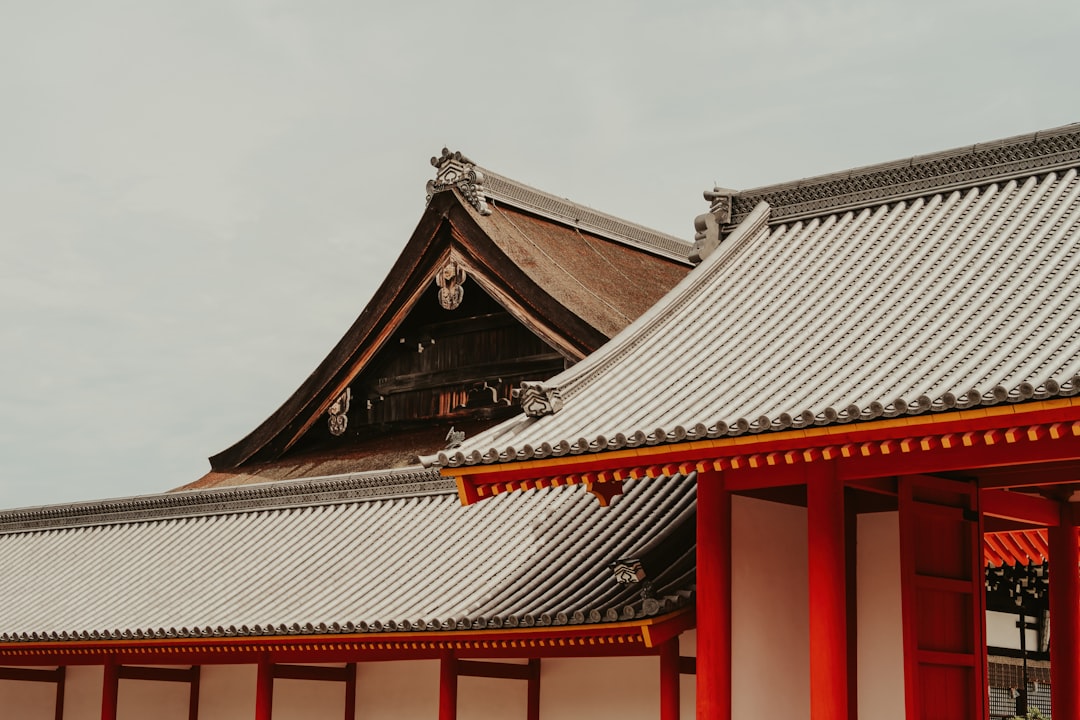
The Shogun’s power was not limited to military might; they also played a significant role in shaping Japanese culture. They were patrons of the arts, supporting the development of literature, poetry, and architecture. The Shogun’s court was a hub of cultural activity, with poets, writers, and artists vying for their patronage. The most famous example of Shogun-sponsored art is the construction of the Kencho-ji temple in Kamakura, which features intricate carvings and beautiful gardens. This cultural flowering had a lasting impact on Japanese society, influencing the development of Zen Buddhism, tea ceremonies, and traditional Japanese gardens.
The Golden Age of Shogun
The Edo period, which spanned from 1603 to 1868, is often referred to as the “Golden Age” of the Shogun. During this time, the Tokugawa Shogunate, established by Tokugawa Ieyasu, ruled Japan with an iron fist. The Tokugawa Shoguns were masters of politics, diplomacy, and strategy, maintaining a delicate balance of power between the various daimyos (feudal lords) and the imperial court. They also implemented a range of policies aimed at consolidating their power, including the famous “sakoku” policy, which isolated Japan from the rest of the world.
One of the most significant contributions of the Tokugawa Shoguns was the development of a robust administrative system. They established a network of bureaucrats, known as “hatamoto,” who were responsible for collecting taxes, maintaining law and order, and overseeing the country’s infrastructure. This system allowed the Shogun to maintain control over the country, even in the face of external threats. The Tokugawa Shoguns also invested heavily in education, establishing schools and academies that promoted the study of Confucianism, literature, and martial arts.
The Decline of the Shogunate
The 19th century saw the decline of the Shogunate, as Japan faced increasing pressure from Western powers to open up to the world. The arrival of American Commodore Matthew Perry in 1853 marked the beginning of the end of the Shogunate. The Tokugawa Shoguns, who had ruled Japan for over 250 years, were unable to resist the pressure, and the country was eventually forced to sign the Treaty of Kanagawa, which opened up Japan to American trade and commerce.
The decline of the Shogunate was also driven by internal factors, including the growing discontent among the samurai class and the emergence of a new generation of leaders who were eager to modernize Japan. The Meiji Restoration of 1868 marked the end of the Shogunate and the beginning of a new era in Japanese history. The Meiji government, led by Emperor Meiji, implemented a range of reforms aimed at modernizing Japan, including the abolition of the feudal system and the establishment of a modern conscript army.
Legacy of the Shogun
The legacy of the Shogun is complex and multifaceted. On the one hand, they were responsible for maintaining order and stability in Japan for centuries, allowing the country to develop a unique culture and society. On the other hand, their rule was often marked by brutal suppression of dissent and opposition, as well as a rigid social hierarchy that limited social mobility.
Despite these contradictions, the Shogun remain an integral part of Japanese history and culture. Their legacy can be seen in the many temples, gardens, and castles that they built, as well as in the literature, art, and music that they patronized. The Shogun’s influence can also be seen in the modern Japanese concept of “bushido,” or the way of the warrior, which emphasizes courage, loyalty, and self-discipline.
In conclusion, the Shogun were a fascinating and complex group of leaders who played a significant role in shaping Japanese history and culture. Their legacy continues to inspire and captivate people around the world, offering valuable insights into the nature of power, leadership, and cultural identity. Whether you’re interested in history, culture, or politics, the Shogun have something to offer, and their story is sure to continue to fascinate and educate us for generations to come.
Key takeaways:
- The Shogun were feudal lords who ruled Japan from the 12th to the 19th century.
- The Shogunate was characterized by a complex system of vassalage, with the Shogun holding absolute power over his loyal retainers.
- The Shogun played a significant role in shaping Japanese culture, supporting the development of literature, poetry, and architecture.
- The Edo period, which spanned from 1603 to 1868, is often referred to as the “Golden Age” of the Shogun.
- The decline of the Shogunate was driven by internal and external factors, including the growing discontent among the samurai class and the emergence of a new generation of leaders who were eager to modernize Japan.
- The legacy of the Shogun is complex and multifaceted, offering valuable insights into the nature of power, leadership, and cultural identity.